

ANTINUTRIENTS IN AUTOIMMUNE CONDITIONS: WHAT TO ELIMINATE AND WHAT TO KEEP
Search “lectins,” “oxalates,” or “goitrogens” online and you’ll quickly fall into a rabbit hole of fear-based nutrition advice. Spinach becomes “toxic.” Beans are framed as gut irritants. Cruciferous vegetables are blamed for thyroid dysfunction.
For many people, especially those managing autoimmune disease, digestive disorders, or thyroid conditions, this noise creates confusion and unnecessary food restriction.
After years of working clinically with complex, inflammatory cases, one thing is clear: antinutrients are not inherently harmful. They are biologically active plant compounds whose effects depend on the individual, the dose, and the preparation method. In the right context, the very compounds people fear can be therapeutic.
What Are Antinutrients?
“Antinutrient” is a broad term for naturally occurring plant compounds that can interfere with nutrient absorption or digestion under certain conditions. The most discussed include:
- Oxalates – Found in spinach, beets, almonds, sweet potatoes
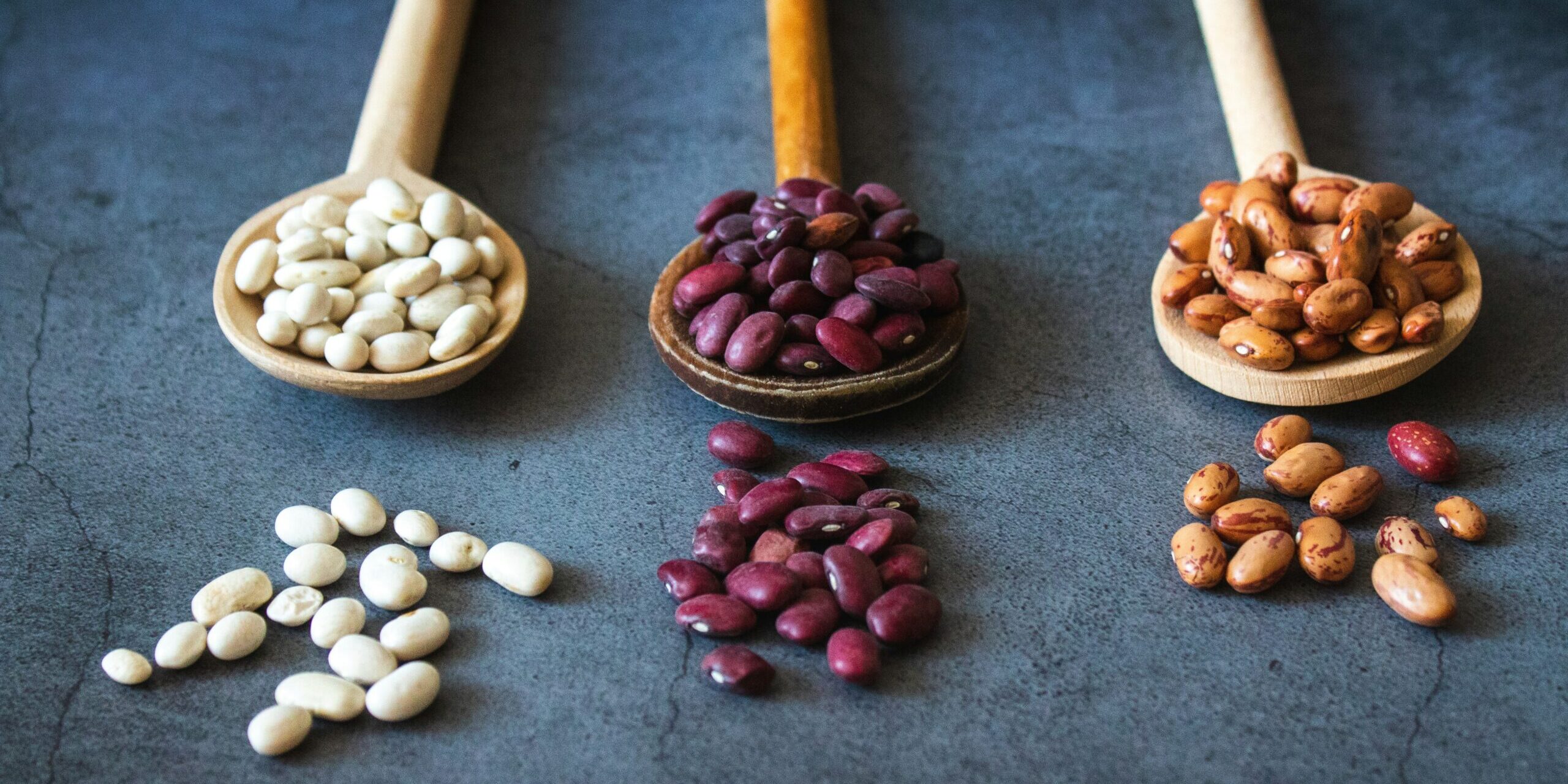
- Lectins – Present in beans, lentils, grains, nightshades
- Goitrogens – In cruciferous vegetables like broccoli, kale, cabbage
- Phytates (phytic acid) – In legumes, nuts, seeds, whole grains
- Phytoestrogens – In soy, flax, sesame
- Tannins – In tea, coffee, cacao, some legumes
These compounds evolved as plant defense mechanisms, but in humans, they often act as hormetic stressors, meaning small amounts can stimulate beneficial adaptations.
Removing entire food groups based on a single compound ignores three key realities: dose matters (toxicity is dose-dependent), preparation matters (traditional cooking methods dramatically reduce problematic compounds), and individual physiology matters (not everyone reacts the same way).
One thing to take into consideration is that many antinutrient-containing foods are also among the most nutrient-dense and anti-inflammatory foods available.
Eliminating them unnecessarily can:
- Reduce fiber diversity (hurting the microbiome)
- Lower mineral and polyphenol intake
- Decrease dietary variety and stress
Who Is More Susceptible to Antinutrient-Related Issues?
Certain people do need a more strategic approach. Higher sensitivity is more likely when we see:
- Compromised Gut Integrity
Individuals with:
- Active IBD flares
- Celiac disease (especially newly diagnosed)
- Severe IBS or SIBO
- Post-infectious gut damage
Lectins and certain fibers may aggravate symptoms when the intestinal barrier is already inflamed.
- Mineral Deficiencies
Phytates and oxalates can bind minerals. This matters more when someone already has:
- Iron deficiency anemia
- Zinc deficiency
- Low calcium intake
- Kidney Stone History
People prone to calcium oxalate stones may need to moderate high-oxalate foods, but this is highly individual and rarely requires full elimination.
- Thyroid Dysfunction with Iodine or Selenium Insufficiency
Goitrogenic foods are far less problematic when iodine and selenium status are adequate. Risk increases when:
- There is existing iodine deficiency
- Hypothyroidism is poorly managed
- Immune Reactivity and Autoimmunity
Some autoimmune patients in active flare phases have heightened immune sensitivity, where certain lectin-rich or nightshade foods may temporarily aggravate symptoms. But even here, this is often phase-specific, not lifelong.
Practical Mitigation Strategies (That Preserve Benefits)
Instead of removing foods, we modify preparation and pairing.
Lectins (Beans, Lentils, Grains)
- Soak 8–24 hours, discard soaking water
- Pressure cook (most effective)
- Choose fermented forms (tempeh, miso, sourdough)
Properly prepared legumes improve insulin sensitivity, support the microbiome, and provide folate, magnesium, and fibre.
Goitrogens (Cruciferous Vegetables)
- Cook instead of eating exclusively raw
- Ensure adequate iodine (seafood, iodized salt if appropriate)
- Support selenium intake (e.g., seafood, Brazil nuts in small amounts)
Cruciferous vegetables enhance liver detoxification pathways and contain sulforaphane — a potent anti-inflammatory and anticancer compound.
Oxalates (Spinach, Beets, Almonds)
- Lightly steam or boil high-oxalate greens
- Rotate greens (don’t rely on spinach daily)
- Pair with calcium-containing foods at meals (when appropriate)
These foods are rich in potassium, folate, carotenoids, and polyphenols that support vascular and immune health.
Phytates (Legumes, Nuts, Seeds, Whole Grains)
- Soaking, sprouting, fermenting
- Maintaining adequate mineral intake overall
Phytates act as antioxidants, support blood sugar control, and may reduce cancer risk.
Phytoestrogens (Soy, Flax)
Helpful for:
- Menopausal symptom support
- Cardiovascular protection
- Modulating estrogen metabolism
Caution may be warranted in specific hormone-sensitive conditions, but blanket avoidance is rarely necessary.
Tannins (Tea, Coffee)
Avoid drinking large amounts with iron-rich meals if iron deficiency is present. Tannins are polyphenols with antimicrobial, antioxidant, and neuroprotective effects.
When Antinutrients Can Be Therapeutic
In many autoimmune and inflammatory conditions, these compounds offer benefits:
| Compound | Potential Benefit |
| Lectins (properly prepared) | Feed beneficial gut bacteria |
| Phytates | Blood sugar regulation, antioxidant effects |
| Oxalate-containing plants | High in potassium and phytonutrients for vascular health |
| Goitrogens | Support detoxification and reduce oxidative stress |
| Phytoestrogens | Hormone modulation and anti-inflammatory effects |
| Tannins | Microbiome modulation and antioxidant protection |
The goal often is not removal, it’s matching the food to your current health context. Instead of asking, “Is this food good or bad?”, better questions are:
- What is my gut integrity right now?
- Are there active deficiencies that change tolerance?
- Is the condition in a flare or remission phase?
- How is the food prepared?
- Is intake excessive?
Temporary modification during acute phases can be helpful, but lifelong avoidance usually isn’t.
The Bottom Line
Antinutrients are not dietary villains. They are plant compounds that interact with human physiology in complex, often beneficial ways. For people with autoimmune disease, digestive issues, or thyroid dysfunction, the answer is to assess the current context in order to decide the next steps.
Food is information for the immune system, the microbiome, and the endocrine system. The goal is not to remove that information, but to deliver it in a way the body can use.


